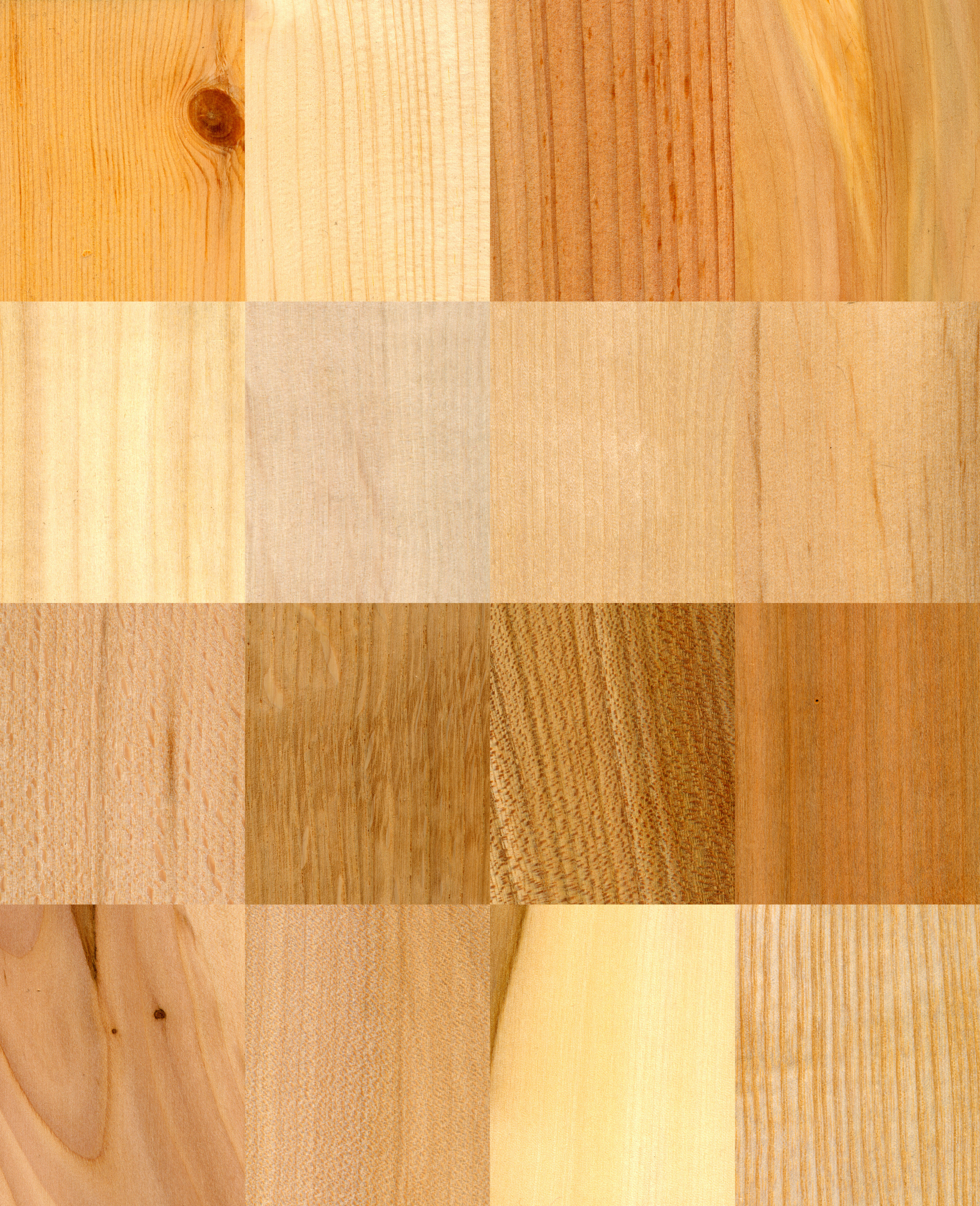
Cedar occupies a specific position among interior cladding materials. Its combination of low density, natural resistance to decay and a distinct resinous scent makes it one of the more practical choices for enclosed wall panels and ceiling applications. In Poland, this species category is encountered in sauna construction, bathroom ceilings and — increasingly — in residential living areas where the olfactory character of the wood is treated as an intentional design element.
Species Used in Poland
Western red cedar (Thuja plicata) is the species most commonly referenced under the trade name "cedar" in Polish construction catalogues. It is imported primarily through German and Scandinavian distributors. Its heartwood ranges from deep reddish-brown to pale amber and contains thujaplicin compounds that inhibit mould and insect activity without chemical treatment.
Eastern white cedar (Thuja occidentalis), also called northern white cedar, is less frequently available in Poland but is used in sauna construction for its softer surface texture and slightly milder scent profile. It tends to be sold by specialist sauna and wellness equipment suppliers rather than general timber merchants.
Incense cedar (Calocedrus decurrens), a separate genus despite the shared common name, is occasionally imported for pencil production but is not widely stocked as cladding material in Poland. Its dimensional stability and scent characteristics are comparable to Thuja species, but local availability remains limited.
Regional Alternatives
Where imported cedar is cost-prohibitive, Polish interior designers often specify European larch (Larix decidua) as a functional substitute. Larch heartwood has moderate natural durability (EN 335 Durability Class 3–4) and a resinous quality that echoes cedar to some degree. Scots pine (Pinus sylvestris) is an even more common substitute, particularly in budget-constrained projects, though its durability class is lower and it requires more careful finishing.
EN 335, the European standard for durability classes of wood and wood-based products, is the standard framework used by timber suppliers and architects across Poland when specifying species for different exposure conditions.
Application Methods for Interior Walls
Cedar cladding in interior applications is typically installed as tongue-and-groove boards in vertical or horizontal configurations. The boards are fixed to a hidden batten system attached to the structural wall, leaving a ventilation gap of at least 20–25 mm behind the cladding to allow air circulation and prevent moisture accumulation at the back face.
For bathroom and wet-room ceilings — an application where cedar is often selected specifically for its moisture resistance — additional considerations apply:
- Board spacing of 3–5 mm is commonly left between lengths to allow for seasonal expansion without buckling.
- End-grain sealing at cut ends is recommended to slow moisture uptake at the most vulnerable points.
- Mechanical fixing with stainless-steel clips or nails is preferred over adhesive in areas with significant humidity variation.
Surface Finishing and Scent Retention
The aromatic character of cedar is associated with volatile compounds in the wood's natural oils. Heavy film-forming finishes — polyurethane lacquers in particular — significantly reduce scent emission by sealing the wood surface. For applications where scent retention is desired, unfinished surfaces or penetrating oil treatments are more appropriate.
For purely visual protection without scent attenuation, water-based wood hardeners or thin natural oil finishes allow the wood to breathe while providing basic surface protection. These require reapplication every two to four years depending on the degree of direct contact and cleaning frequency.
Colour Change Over Time
Unfinished cedar exposed to interior light will undergo a gradual shift from its initial reddish-brown to a silvery-grey tone, a process driven by UV degradation of lignin. This is a predictable material characteristic rather than deterioration. In interior conditions without direct sunlight exposure, colour change is much slower than in exterior applications. UV-filtering oils can further slow this process.
Common Installation Mistakes
Several recurring issues appear in cedar interior installations in Poland:
- Insufficient acclimatisation. Cedar boards delivered directly to a heated interior from a cold warehouse should be allowed to acclimatise for at least five to seven days before installation, with packages opened and boards stacked in the installation space with stickers between layers for airflow.
- Concealed moisture sources. Cedar installed over masonry walls without a vapour control layer can absorb ground moisture migrating through the wall, leading to warping and discolouration from the back face inward.
- Over-finishing in saunas. In sauna interiors, heat-resistant finishes are often applied unnecessarily. Most sauna-grade cedar installations are left entirely unfinished — the wood tolerates repeated wetting and drying cycles well in its natural state.
Sources and Further Reading
The physical properties of western red cedar referenced here are consistent with data published in the USDA Forest Products Laboratory Wood Handbook. Durability classifications follow EN 335:2013. Regional timber availability data refers to the LESA Polish Wood Industry Confederation annual reports.